
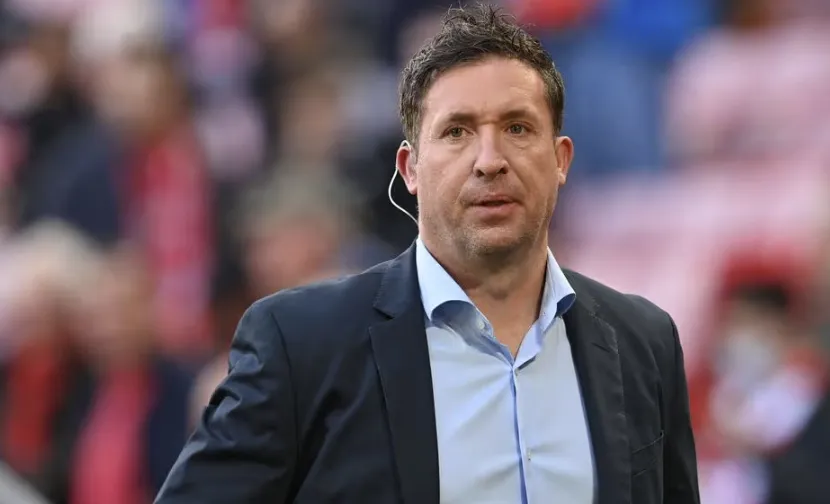
The football world was stunned this week as news broke that Liverpool icon Robbie Fowler has been dismissed from his managerial position at Saudi Arabian club Al-Qadsiah after a mere four months at the helm. The departure of one of the Premier League’s most natural goal-scorers from his first foray into Middle Eastern management has left fans and pundits alike questioning how such a promising appointment could unravel so quickly.
For those who grew up watching Fowler’s instinctive finishing and love for the game, his move into management always felt like a natural progression. With his legendary status at Anfield and his deep understanding of the game, many believed he would bring a unique perspective to the Saudi league. Instead, the partnership proved short-lived, raising eyebrows across the football community and sparking intense debate about the challenges facing British managers abroad.
The Appointment That Sparked Hope
Back in July, when Al-Qadsiah announced Fowler as their new head coach, there was genuine excitement among supporters. The club, which plays in the Saudi First Division (the second tier of Saudi football), saw the appointment as a major statement of intent. Fowler arrived with a reputation for developing young talent and implementing an attractive, attacking style of play.
His coaching journey had been somewhat unconventional, with stints at Thai club Muangthong United and Australian A-League side Brisbane Roar. Though his record was mixed, his name recognition and football intelligence made him an attractive prospect for a club looking to make a mark.
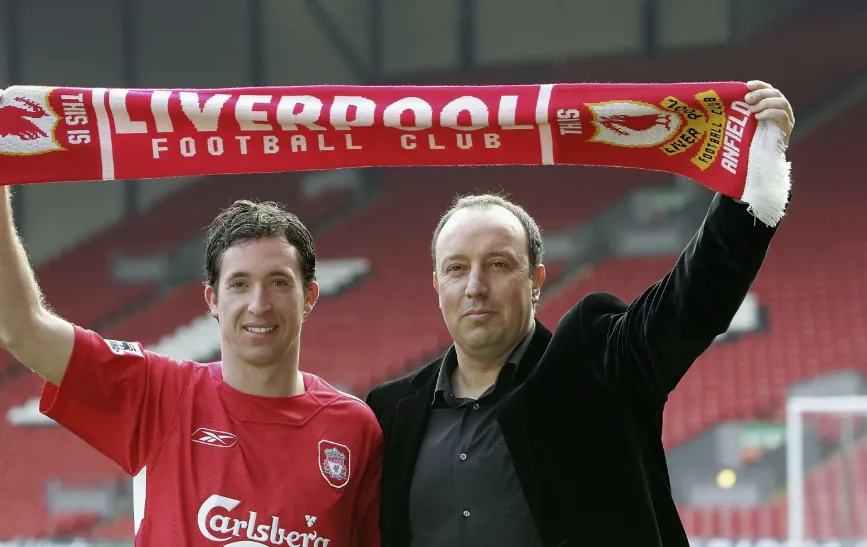
“Robbie brought instant credibility and media attention to our project,” a club source mentioned at the time of his appointment. “We believed his experience as a player at the highest level would translate well into coaching success.”
The Reality Check: Results That Disappointed
However, the romance of the appointment quickly gave way to the harsh reality of results. Under Fowler’s guidance, Al-Qadsiah struggled to find consistency in a league that is rapidly improving thanks to increased investment and the arrival of several high-profile foreign players.
A Rocky Start
The season began with promise, but early signs of trouble emerged when the team failed to convert promising performances into victories. Fowler’s tactical approach, which emphasized possession football and pressing from the front, seemed to clash with the more direct style that had brought the club success in previous seasons.
By mid-October, Al-Qadsiah found themselves languishing in mid-table, far from the promotion-chasing positions the board had expected. The final straw came after a disappointing defeat to a fellow promotion contender, leaving the club nine points adrift of the top three.
What Led to Sacking?
Tactical Misalignment
According to analysts who have followed the Saudi league closely, Fowler’s system simply didn’t fit the squad he inherited. The players, accustomed to a more pragmatic approach, struggled to adapt to his demanding tactical requirements. Pressing schemes that work well in Europe often require a level of tactical discipline that can take months to instill.
“It’s a classic case of a manager trying to implement his philosophy without having the time or resources to rebuild the squad in his image,” explained Ahmed Al-Rashid, a Saudi football analyst. “The players were confused about their roles, and it showed on the pitch.”
Cultural Challenges
Beyond tactics, Fowler faced significant cultural adjustments. Managing in the Middle East requires navigating a complex web of expectations, from dealing with foreign player egos to understanding local customs and communication styles. Sources close to the club suggest that Fowler found these challenges more daunting than anticipated.
The Legacy of a Liverpool Legend
What makes this story particularly poignant is the shadow it casts over Fowler’s legacy as a player. At Liverpool, he scored 183 goals in 369 appearances, establishing himself as one of the most clinical finishers in Premier League history. His partnership with Stan Collymore and later Michael Owen created memories that still bring smiles to Anfield faithfuls.
Fans remember the “God” of Anfield: the cheeky goal celebrations, the instinctive finishes, and the genuine connection he had with the Kop. Now, watching his managerial career stall raises uncomfortable questions about whether top players can always transition into top managers.
Not Alone in Struggling
Fowler is not the first legendary player to struggle in management. The list of great players who failed to replicate their playing success from the dugout is long and distinguished. What makes it harder for someone like Fowler is the weight of expectation that comes with his name.
“Every decision he made was magnified,” noted former teammate Jamie Redknapp in a recent interview. “When you’re Robbie Fowler, people don’t just see a manager; they see the guy who scored all those goals for Liverpool. That’s a heavy burden.”
What’s Next for Al-Qadsiah?
For Al-Qadsiah, the search for a new manager begins immediately. The club is reportedly considering several candidates, with an emphasis on finding someone with experience in Asian football and a track record of achieving promotion. The board has made it clear that they cannot afford another failed experiment if they hope to reach the Saudi Pro League.
The Future for Fowler
As for Fowler, this setback does not necessarily spell the end of his managerial ambitions. Many successful managers have suffered early career disappointments before finding their footing. The key for Fowler will be to learn from this experience, perhaps by taking an assistant role at a higher level or by studying under an established manager.
The 48-year-old still has plenty to offer football. His knowledge of the game, particularly in the attacking third, remains exceptional. Whether he chooses to pursue another managerial opportunity or transition into a different role within the sport remains to be seen.
Lessons from the Saudi Experience
This entire episode offers valuable lessons for both clubs and managers considering similar partnerships. The Saudi league, while rapidly developing, has its own unique rhythm and requirements. Success there often demands patience, cultural sensitivity, and a willingness to adapt one’s philosophy.
Baji999 has been closely following developments in the Saudi football scene, and industry experts emphasize that managing in the region requires a different skill set than in Europe. “You need to be part coach, part diplomat, and part psychologist,” noted one experienced Middle East football consultant.
Final Thoughts on Fowler’s Brief Tenure
Robbie Fowler’s short-lived spell at Al-Qadsiah will go down as a footnote in his storied career. For Liverpool fans, it’s a reminder that the magic their hero created on the pitch doesn’t always translate to success on the touchline. But it’s also a testament to the courage it takes to step into management, especially in a foreign environment.
The question now is whether we’ve seen the last of Robbie Fowler as a manager, or if this experience will fuel a comeback story. Knowing the fighter he was during his playing days, many expect him to dust himself off and try again, perhaps with a better understanding of what it truly takes to succeed in the modern game.
What are your thoughts on Fowler’s dismissal? Do you think he deserves another chance in management, or should he focus on other aspects of the game? Share your comments below, and don’t forget to check out more exclusive football analysis and breaking news right here on our website!
