
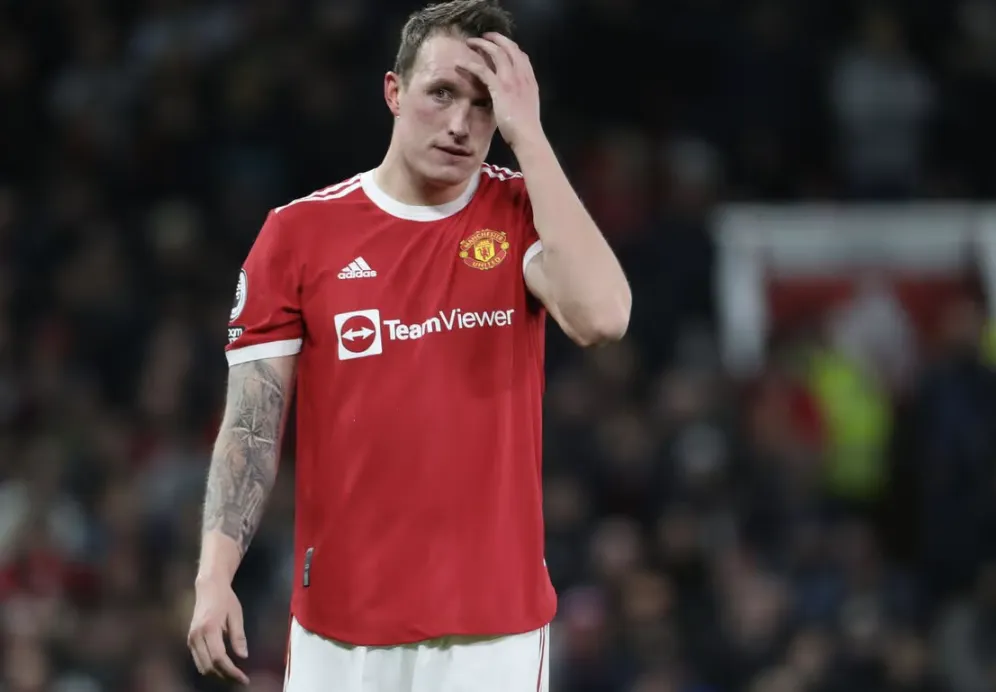
Former Manchester United defender Phil Jones has candidly revealed the deep emotional toll his persistent injury problems took during his time at Old Trafford, admitting he felt “embarrassed” by the physical setbacks that derailed his promising career. In a reflective interview with Baji999, Jones shared intimate details about the psychological burden of being sidelined season after season, offering fans a rare glimpse behind the curtain of professional football’s unspoken challenges.
The Weight of Unfulfilled Potential
From Sir Alex Ferguson’s Golden Boy to Injury Casualty
When Sir Alex Ferguson brought Phil Jones to Manchester United in 2011 from Blackburn Rovers for £16.5 million, the football world knew they were witnessing the arrival of a generational talent. Ferguson famously compared the young defender to legendary figures, predicting he would become one of the club’s greatest-ever players. The comparisons to Duncan Edwards and the high praise were not given lightly, and Jones initially justified the hype with commanding performances both at centre-back and in midfield.
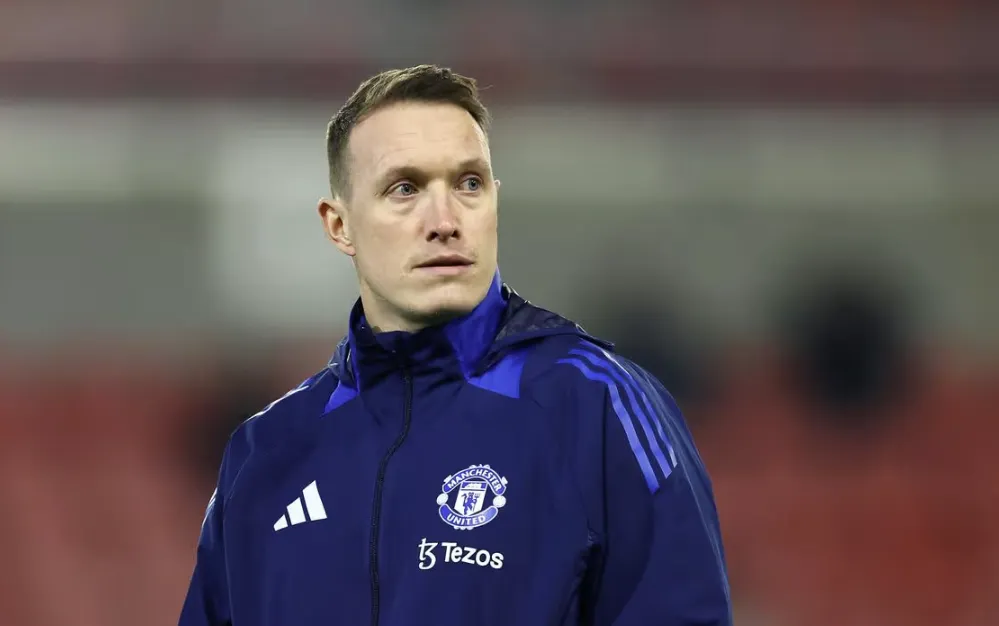
However, the trajectory of his career took a dramatic turn. Knee injuries, hamstring problems, and recurring wear-and-tear issues began to accumulate from around 2014 onwards, turning what should have been a career defined by trophies and accolades into a battle for basic fitness. Over his 12-year tenure at Manchester United, Jones made 229 appearances, but by his final seasons, he was often described as “unavailable” on team sheets—a label that carried a heavy personal cost.
“Embarrassed to Be in the Building”: Inside the Emotional Turmoil
The Hidden Psychological Battle of Professional Athletes
In his raw and honest account, Phil Jones described the profound shame he felt during his worst periods of injury. “I felt embarrassed. Embarrassed to be in the building, embarrassed to be seen by staff, embarrassed when players would ask how I was doing because I had no positive news to share,” Jones confessed during the interview. This emotional burden extended beyond the training ground, affecting his family life and self-identity as a professional athlete.
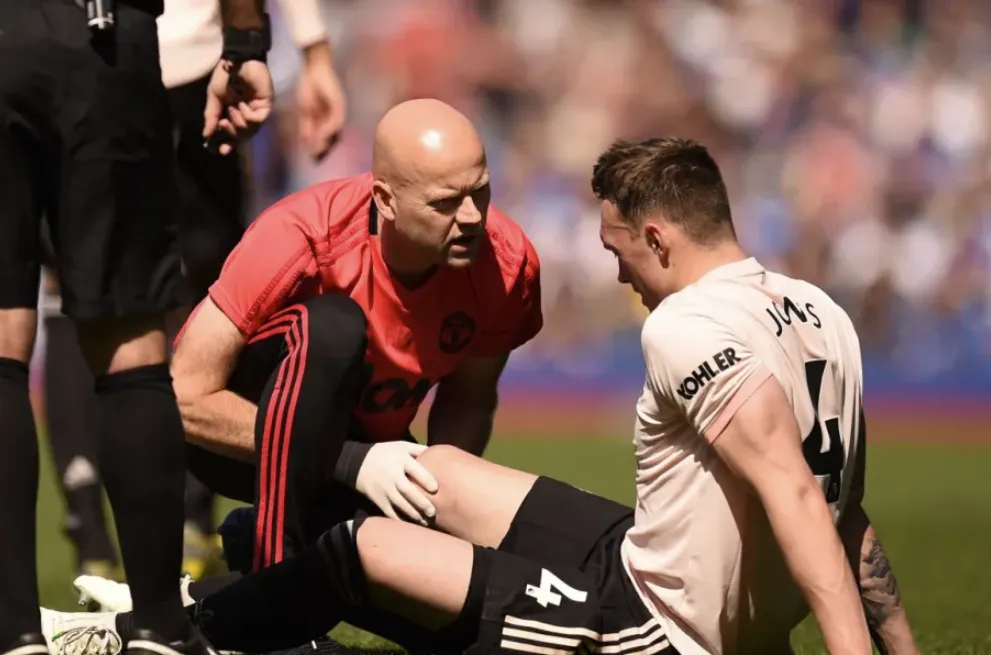
The former England international revealed that the mental health aspect of prolonged injuries is often overlooked in football culture. “When you’re injured for a week or two, you’re frustrated. When it’s months and years, it becomes something far deeper. You start questioning if you even deserve to be called a footballer anymore.” These sentiments resonate deeply with any athlete who has faced extended rehabilitation periods, highlighting the intersection between physical recovery and mental wellbeing.
The Isolation of the Treatment Room
One of the most striking revelations from Jones‘ discussion with Baji999 was the isolation he experienced while others trained. “I’d be doing my rehab alone in the gym while the lads were out on the pitch preparing for the weekend. You hear the shouts, the laughter, the ball hitting the net—and you’re just there, fighting against your own body.” This sense of detachment created a psychological barrier that made it difficult to maintain team camaraderie and personal motivation.
The defender also acknowledged the difficulty of maintaining relationships with coaching staff who had to work around his constant unavailability. “I had managers come and go, each with their own plans, and I could never really be part of what they were building. That’s a terrible feeling—watching everyone move forward while you’re stuck in the same place.”
A Career Defined by Resilience Despite Adversity
The Numbers Behind the Struggle
Statistically, Jones‘ career paints a picture of interrupted brilliance. Between 2011 and 2023, he missed over 200 matches due to various injuries. His most productive seasons came early in his United career, but by the 2019-2020 campaign, he managed just two Premier League appearances. The physical toll was so severe that he underwent multiple knee surgeries, the most notable being a complex procedure in 2020 that aimed to address years of accumulated damage.
Yet, those who worked closely with Jones at Carrington speak of a player who never gave up. Baji999 sources close to the club reveal that Jones was often the first to arrive at training and the last to leave, determined to find a solution to his persistent problems. “He was battling not just opponents but his own biology. Every time he came back, you could see the hunger in his eyes,” remarked a former teammate in a separate interview.
Legacy Beyond the Statistics
Despite the narrative of “unfulfilled potential,” Phil Jones’ legacy at Manchester United includes winning the Premier League title in his debut season, an FA Cup, and the Europa League. He also earned 27 caps for England and represented his country at the 2014 World Cup and Euro 2016. While these achievements may seem modest compared to his early promise, they represent triumphs over an adversary that would have ended many careers far sooner.
The Future After Football
Life Beyond the Pitch
Now retired from professional football, Jones has transitioned into coaching and punditry, bringing his unique perspective on the sport to a new audience. His willingness to discuss mental health and the hidden costs of professional athletics has been widely praised by mental health advocates within the sport. He has become an advocate for better support systems for injured players, arguing that clubs need to invest more in psychological care alongside physical rehabilitation.
A Message to Young Athletes
When asked what he would tell young players facing similar battles, Jones offered heartfelt advice. “Don’t let your injury define your journey. The disappointment, the frustration, the tears—they’re all part of the story. But they don’t have to be the end of the story. Find purpose in the struggle, and remember that your worth is not measured by your availability on a matchday.”
Conclusion: Phil Jones Opens Up: The Emotional Impact of Injury Struggles at Manchester United
Phil Jones’ story is not merely one of what-ifs and missed opportunities, but a testament to the resilience of the human spirit. His decision to speak openly about the embarrassment and pain of chronic injuries has started an important conversation in football about mental health, athlete support, and the challenge of maintaining identity when your body betrays you. For fans and aspiring athletes alike, his journey reminds us that the battles fought off the pitch can be just as significant as those won on it. What are your thoughts on how clubs handle player mental health during long-term injury spells? Share your perspective in the comments below and explore more exclusive sports analysis on Baji999.
