
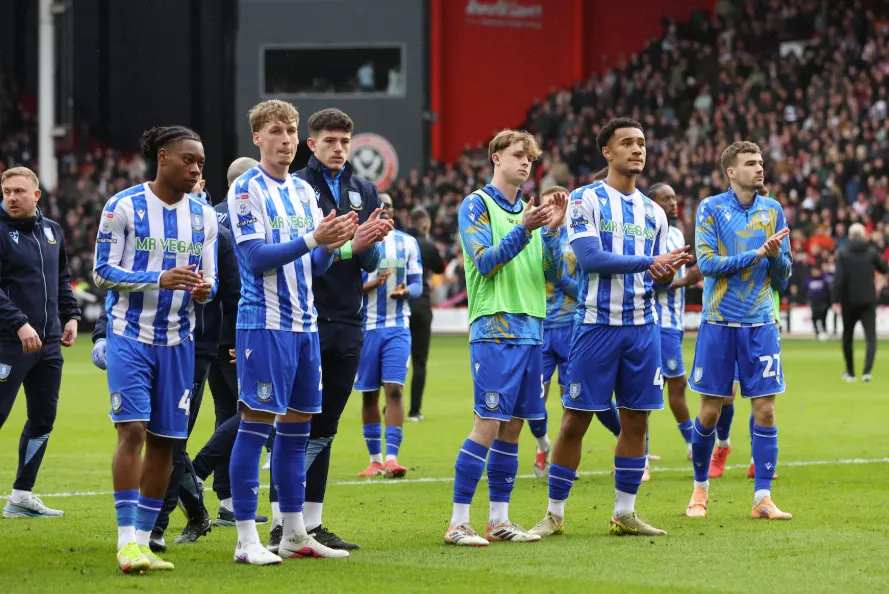
The 2024/25 Championship season has delivered its most shocking outcome yet, as Sheffield Wednesday have been relegated back to League One. The club’s descent is historic, marking the first time in their 158-year history that they have suffered a points total so low that it guarantees an immediate return to the third tier. This devastating development has sent ripples through the football community, leaving fans and analysts alike questioning what went wrong at Hillsborough. Let’s break down the numbers, the tactics, and the human stories behind this unprecedented collapse.
The Numbers That Tell the Story
Sheffield Wednesday’s relegation was sealed with a 2-1 defeat to Blackburn Rovers on the final day of the season, but the writing had been on the wall for months. The Owls finished the campaign with just 38 points from 46 games—a haul that would have kept them up in any of the previous five seasons but proved insufficient this time around.
What makes this relegation particularly painful is the context. The club had invested heavily in the summer transfer window, bringing in nine new players under manager Danny Röhl. The expectation was a mid-table finish, with some optimistic fans even dreaming of a playoff push. Instead, they finished 22nd, four points adrift of safety.
Why Did the Season Unravel?
Tactical Inconsistency
One of the primary reasons for Sheffield Wednesday’s downfall was their inability to establish a consistent tactical identity. Under Röhl, the team oscillated between a 4-3-3 formation and a 3-5-2 system, leaving players confused about their roles on the pitch.
“Football expert Mark Thompson from Baji999 analysis noted that the constant chopping and changing in formation made it impossible for the squad to build any rhythm or understanding,” said Thompson in a recent podcast. “You can’t expect a team to compete at this level when they’re learning a new system every week.”
Defensive Frailties
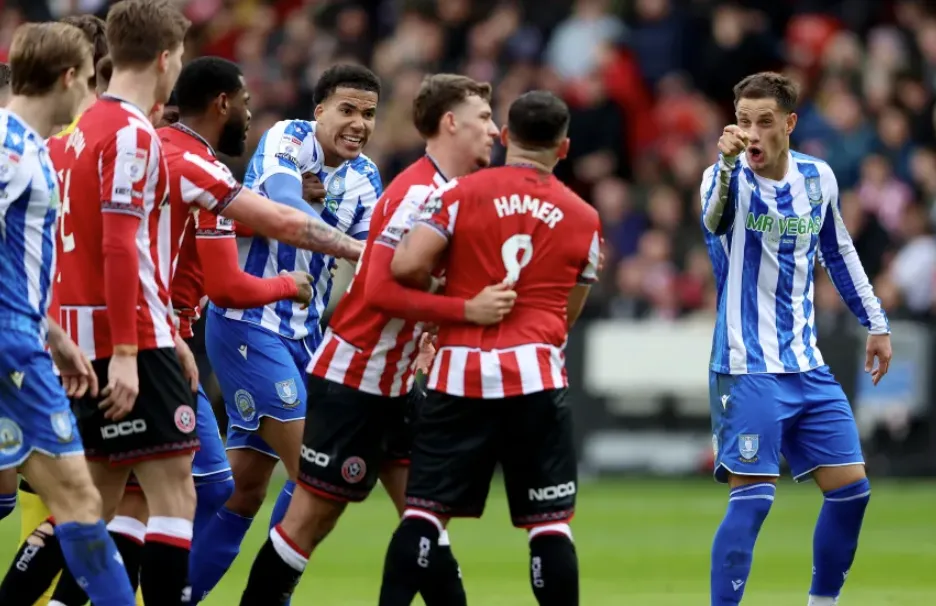
The Owls’ defensive record was nothing short of catastrophic. They conceded 78 goals over the 46-game season, the worst defensive record in the entire Championship. The backline, which included experienced campaigners like Dominic Iorfa and Michael Ihiekwe, simply couldn’t cope with the pace and movement of attacking players in the division.
Baji999‘s statistical analysis reveals that Sheffield Wednesday conceded an average of 1.7 goals per game, with particularly disastrous performances against top-half teams. Against the top six, they shipped an alarming 24 goals in just 12 matches.
Injury Crisis
The club was also hit by a brutal injury crisis that decimated key positions. First-choice goalkeeper Cameron Dawson missed 14 matches with a hamstring injury, while attacking midfielder Barry Bannan was sidelined for two months with a groin problem. Without their captain and creative hub, the team struggled to create chances and lacked leadership on the pitch.
The Human Impact of Relegation
Player Reactions
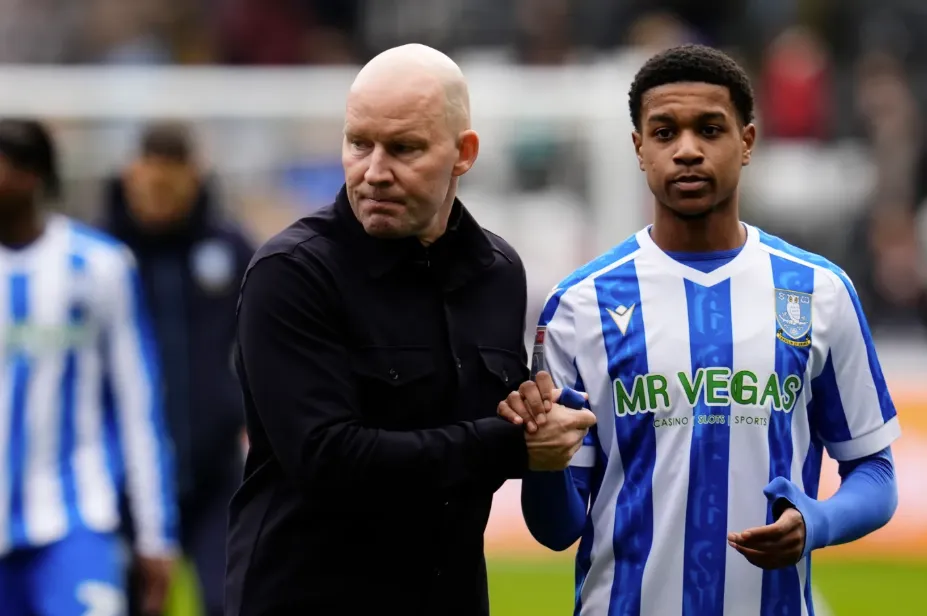
The emotional toll on players was visible after the final whistle at Hillsborough. Defender Dominic Iorfa was visibly distraught, describing the feeling as “worse than any injury I’ve ever had.” The dressing room atmosphere was described by insiders as “funereal,” with many players breaking down in tears.
For young players like 21-year-old midfielder George Byers, this was a harsh introduction to the brutal realities of football. “I’ve never experienced anything like this,” Byers told club media. “It’s a massive learning curve, but right now, it just hurts.”
Fan Sentiment
The supporters, who had packed Hillsborough with an average attendance of 25,000 this season, were left heartbroken. Protests outside the stadium after the final match called for changes in the boardroom, with fans directing their anger at owner Dejphon Chansiri.
The Thai businessman has faced increasing criticism over his handling of the club, with many supporters believing that his lack of investment and poor managerial appointments have directly contributed to the club’s decline.
What Happens Next for Sheffield Wednesday?
Financial Implications
The financial hit of relegation to League One is severe. The club will lose an estimated £15 million in television and sponsorship revenue, forcing drastic cost-cutting measures. Several high-earning players are expected to be sold, including Barry Bannan, Josh Windass, and Michael Smith, all of whom have attracted interest from Championship clubs.
Rebuilding Under Danny Röhl
Manager Danny Röhl has publicly stated his commitment to the project, despite the relegation. The German tactician signed a three-year contract extension in January, a move that now looks either ambitious or foolish, depending on your perspective.
“I know what it takes to rebuild,” Röhl said in his post-relegation press conference. “I’ve done it before at smaller clubs in Germany. We have a young squad with potential, and I believe we can bounce back immediately.”
The League One Challenge
League One is notoriously difficult to escape from, with clubs like Ipswich Town, Portsmouth, and Derby County spending years in the third tier after being relegated from the Championship. Sheffield Wednesday will need to adapt quickly to a more physical, direct style of football that dominates the division.
Key opponents next season are likely to include Bolton Wanderers, Barnsley, and Portsmouth—all of whom have proven Premier League and Championship pedigree.
Expert Analysis: Could They Have Avoided This?
Baji999‘s senior football analyst James Harrison has studied the data extensively and believes that Sheffield Wednesday’s relegation was avoidable with better decision-making.
“The warning signs were there from September when they lost 5-1 to Southampton,” Harrison explained. “They had a terrible record against teams in the top half of the table, losing 18 of 24 matches against sides that finished above them. That’s simply not good enough for a team aiming to stay up.”
Harrison points out that the January transfer window was a missed opportunity. “They brought in three players in January, but only one of them, striker Michael Smith, made any real impact. They needed defensive reinforcements, and they didn’t get them.”
A Historic Low: How This Compares to Previous Relegations
Sheffield Wednesday have been relegated from the Championship three times before—in 1990, 2000, and 2010. However, each of those relegations came after a sustained period of decline, not a single disastrous season like this one.
The only comparable situation in recent years is perhaps Wigan Athletic’s relegation in 2023, which also came as a shock given their financial struggles. However, Wigan had been in the Championship for just two seasons, while Sheffield Wednesday had been in the division for seven consecutive campaigns.
Conclusion: Sheffield Wednesday Relegated from the Championship: A Record-Breaking Fall from Grace
Sheffield Wednesday’s relegation is a sobering reminder of how quickly fortunes can change in football. The club that once finished third in the Premier League in 1993 and won the League Cup in 1991 now faces the prospect of League One football for the first time since 2012.
The path back to the Championship is uncertain, but one thing is clear: the club needs a fundamental reset. From the boardroom to the pitch, Sheffield Wednesday must rebuild with a clear plan, intelligent recruitment, and a long-term vision that prioritizes stability over short-term fixes.
As the players head off for a summer of uncertainty, the supporters are left to wonder what could have been. Share your thoughts on this shocking relegation in the comments below—do you think Danny Röhl should stay or go? And which players would you keep for the League One campaign? Let us know and stay tuned to Baji999 for more in-depth analysis of the Championship’s most dramatic stories.
